Altitude Sickness in Ladakh: Symptoms Prevention and the Ethics of Slowing Down
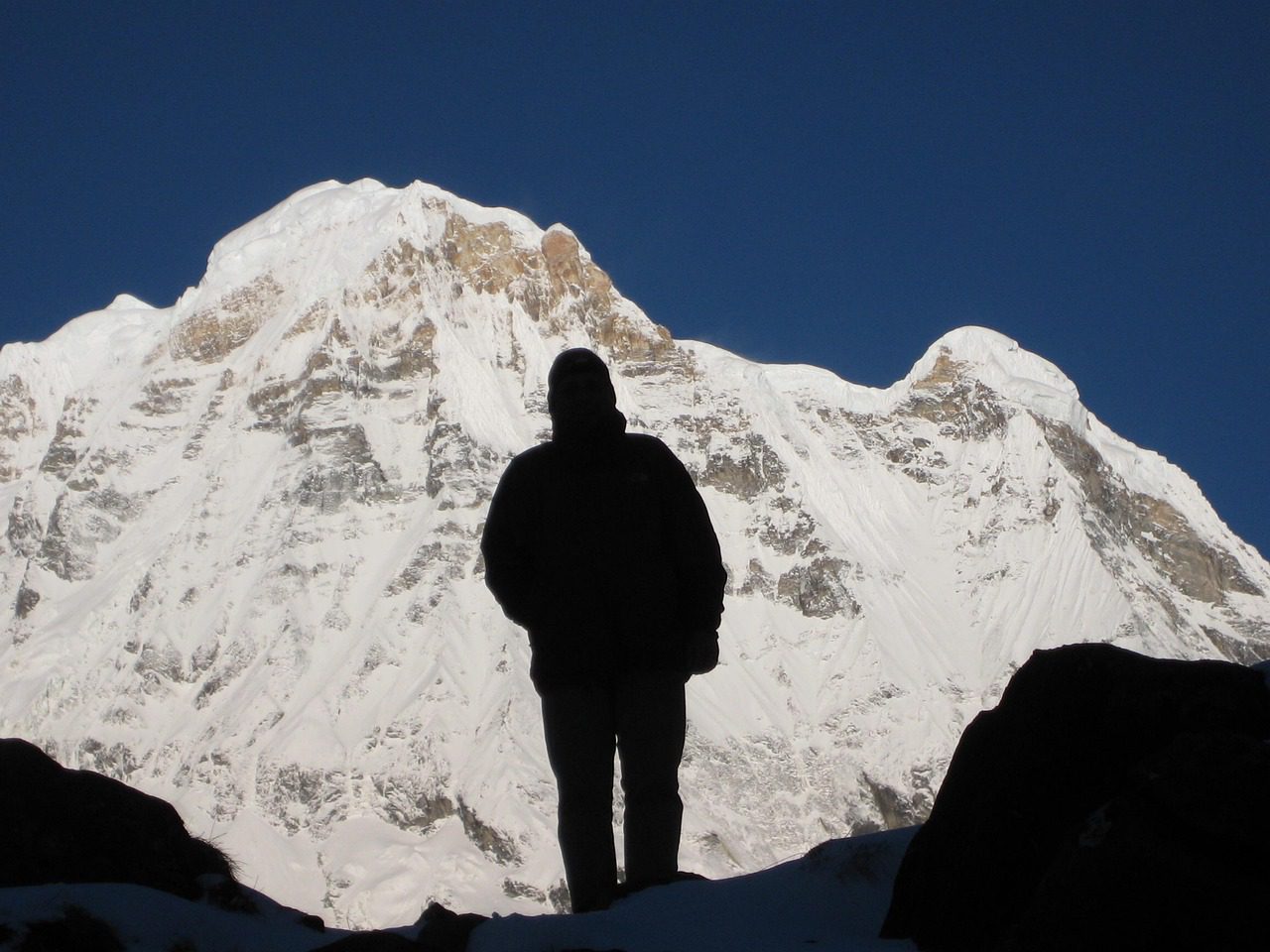
When the Thin Air Becomes a Teacher By Declan P. O’Connor Introduction — The Difference Between Travel Advice and Paying Attention Why altitude in Ladakh forces a different kind of awareness Altitude sickness is often presented as a list of symptoms, or a threat to be avoided with pills and hydration tablets. Yet anyone who has landed in Leh or crossed a Ladakhi pass knows that the experience is more than medical. The thin air becomes an instruction, a form of quiet pedagogy reminding the traveler that no itinerary, no ambition, and no enthusiasm can override the basic human truth that bodies must acclimatize. This is where Ladakh becomes less a destination and more a corrective. In a world accustomed to speed, the mountains insist on slowness, and the ethics of that slowness matter. European travelers—who often arrive after long flights, rushing to make the most of their brief days—encounter here a terrain that asks them to reconsider their assumptions. In this altitude, oxygen is not a resource you negotiate with; it is a boundary you respect. The symptoms that many visitors fear—headache, insomnia, appetite loss, nausea—are not merely inconveniences but signals of an encounter between physiology and humility. To understand them fully is to recognize how deeply the human body speaks when the world grows thinner and higher. Altitude sickness becomes, in its own way, a conversation: one where the traveler must listen first, respond second. This section sets the stage by reframing altitude sickness not as an obstacle but as part of the story of Ladakh. The same landscapes that pull visitors with their stark beauty also impose limits. They remind us that attention is the primary currency of ethical travel. Pills may help; pacing helps more. But above all, the willingness to slow down—even when impatience urges the opposite—is the first lesson that the Himalayas offer. Why “Ladakh travel tips” fall short when altitude becomes a moral question Most articles that offer travel tips for Ladakh treat altitude as a variable to be managed, like checking weather or monitoring hydration. Yet this framing reduces altitude to a technicality. The truth is far more demanding. The high plateau of Ladakh challenges not only the lungs but the entire travel mindset: the impulse to do more, see more, accomplish more. And here, the mountains refuse such impulses. The pressing need to acclimatize is not simply medical; it is philosophical. It compels a traveler to consider why they move the way they move, why they prioritize speed, and why efficiency often matters more than presence. A traveler who ignores symptoms because “the trip is short” or “the monastery is only an hour away” is not just endangering themselves—they are defying the logic of the land. Ladakh is a region shaped by altitude, silence, and the slowness of daily life. Its monasteries were not built on cliffs because monks wanted dramatic scenery; they were built there because life unfolds at a pace that honors breath, light, and rhythm. When visitors rush, they miss the deeper currents that have shaped this place for centuries. Altitude sickness, then, becomes a test of character. It reveals how willing we are to adapt, how ready we are to accept limits, and whether we choose respect over bravado. It teaches the ethics of restraint—lessons rarely included in travel tips yet indispensable for anyone who hopes to understand Ladakh beyond its surface beauty. Understanding Altitude Sickness Through a Human Lens What happens inside the body above 3,000–4,000 meters The human body is not designed for sudden changes in oxygen availability. When travelers ascend to Ladakh’s elevations—often within hours—blood oxygen saturation drops. The lungs must work harder, the heart beats faster, and the brain compensates by dilating blood vessels. These physiological changes are normal, but when they occur too rapidly, the body’s response becomes distress. This is acute mountain sickness, or AMS. Symptoms appear because the body is negotiating with altitude, but the negotiation takes time. Headache results from increased intracranial pressure. Insomnia emerges because breathing patterns alter during sleep. Nausea comes from compromised digestion, which slows dramatically at altitude. Appetite loss reflects a body prioritizing oxygen over calories. None of this is pathology; it is adaptation. And adaptation cannot be forced. Understanding this human lens matters because altitude sickness is not a failure of strength. It is simply the body’s request for patience. Ignoring these requests means risking escalation—from mild AMS to more serious conditions like HACE or HAPE. But responding with humility allows the traveler to form a relationship with the landscape rather than a fight. In Ladakh, physiology has moral weight. The mountains do not reward resistance. They reward listening. Why Ladakh’s acclimatization curve feels harsher than expected Many European travelers underestimate Ladakh’s altitude because of the region’s ease of access. One can fly directly from sea-level cities to a runway sitting at over 3,500 meters. No gradual ascent, no days of transition. The body barely has time to comprehend the change before symptoms begin. Moreover, Ladakh’s dry air accelerates dehydration, compounding the effects of altitude. The wide valleys, strong sun, low humidity, and cool winds all tighten the body’s oxygen economy. Even short walks feel more demanding than expected. This discrepancy between expectation and experience is what makes acclimatization in Ladakh uniquely challenging: the landscape is inviting; the physiology is unforgiving. Travelers often assume fitness will protect them. But altitude is indifferent to fitness. Marathon runners have suffered severe AMS in Leh while older travelers acclimatize more comfortably because they pace themselves. What matters is behavior: hydration, resting, walking slowly, sleeping well, and paying attention. The harshness of the acclimatization curve is not a flaw of Ladakh—it is part of its identity. A traveler who understands this enters not as a conqueror but as a guest. Recognizing AMS symptoms without fear The symptoms of AMS can be intimidating, but fear clouds judgment. Headache is the most common symptom—usually frontal or temporal, often pulsating. It worsens with exertion and improves with hydration and rest. Appetite loss is typical at altitude. Nausea and occasional vomiting occur when digestion slows due to oxygen scarcity. Insomnia arises from unstable breathing patterns at altitude. What becomes dangerous is refusing to acknowledge progression. If headache worsens, if coordination decreases, if breathing becomes labored, these are red flags. At that point, descent isn’t weakness—it is responsibility. Altitude sickness is not a moral judgment. It is simply a human response to a superhuman landscape. The Ethics of Slowing Down Why pushing through symptoms is a moral error Travelers often imagine discomfort must be overcome. This mindset is ingrained in modern tourism where schedules tighten and efficiency is a virtue. But at altitude, this becomes dangerous. When a traveler pushes through a headache or weakness because “the monastery visit is today,” the consequences extend beyond personal risk. Guides and drivers may be forced into hazardous decisions. Mountain ethics are built on interdependence. A single poor decision affects the entire group. Ladakhi culture prizes patience. Villagers walk long distances with attention. Monks ascend staircases with breath. Every ascent is a reminder that rushing is not bravery—it is disregard. Rest is respect. Descent is responsibility. Pushing through is dangerous. Slowness as respect for terrain, guides, and oneself Slowness is often framed as a compromise. But in Ladakh, slowness is a rhythm. It mirrors the pace of conversations, the flow of rituals, and the deliberateness of everyday life. When travelers adopt this rhythm, slowness becomes presence. Guides—many of whom grew up walking these altitudes—move deliberately. Their steps teach that speed is not mastery. Mastery is endurance without strain. When travelers outpace their guides, they misunderstand the terrain entirely. Slowness becomes respect: for the mountain, the guide, the body, and the culture. Moving slowly transforms travel from consumption into communion. Acclimatization as an ethical principle Acclimatization rules—“go high, sleep low,” “increase altitude gradually,” “rest on arrival”—are more than instructions. They are principles shaped by generations of mountain experience. Treating acclimatization casually dismisses local wisdom earned through hardship. Ladakhi communities understand altitude intimately. Their wisdom is lived experience, not jargon. Acclimatization is not merely prevention. It is respect for the land and its people. Prevention Is Not a Hack: It’s a Discipline Why the first 48 hours in Leh matter Advice to rest for 48 hours is often ignored. Yet those hours form the foundation for everything that follows. The body begins adjusting—raising red blood cells, altering metabolism, stabilizing breathing. Rest early gains days later. Rushing early loses days later, sometimes the entire trip. The discipline of rest is the first ethical encounter with Ladakh’s altitude. Hydration, gentle walking, listening to the body Hydration is essential. Ladakh’s dry air draws moisture quickly. Gentle walking aids circulation without strain. Light meals support digestion without overwhelming the system. Listening to the body is the most underrated travel skill. Mild dizziness or slight appetite loss are whispers, not noise. At altitude, whispers matter. To travel well in Ladakh is to listen carefully. The body reveals more than it hides. How rest deepens the experience Rest is not the opposite of exploration. In Ladakh, rest sharpens awareness. A rested traveler sees more, feel
source https://lifeontheplanetladakh.com/blog/altitude-sickness-ladakh/


Comments
Post a Comment