The Quiet Demands of the High Himalaya
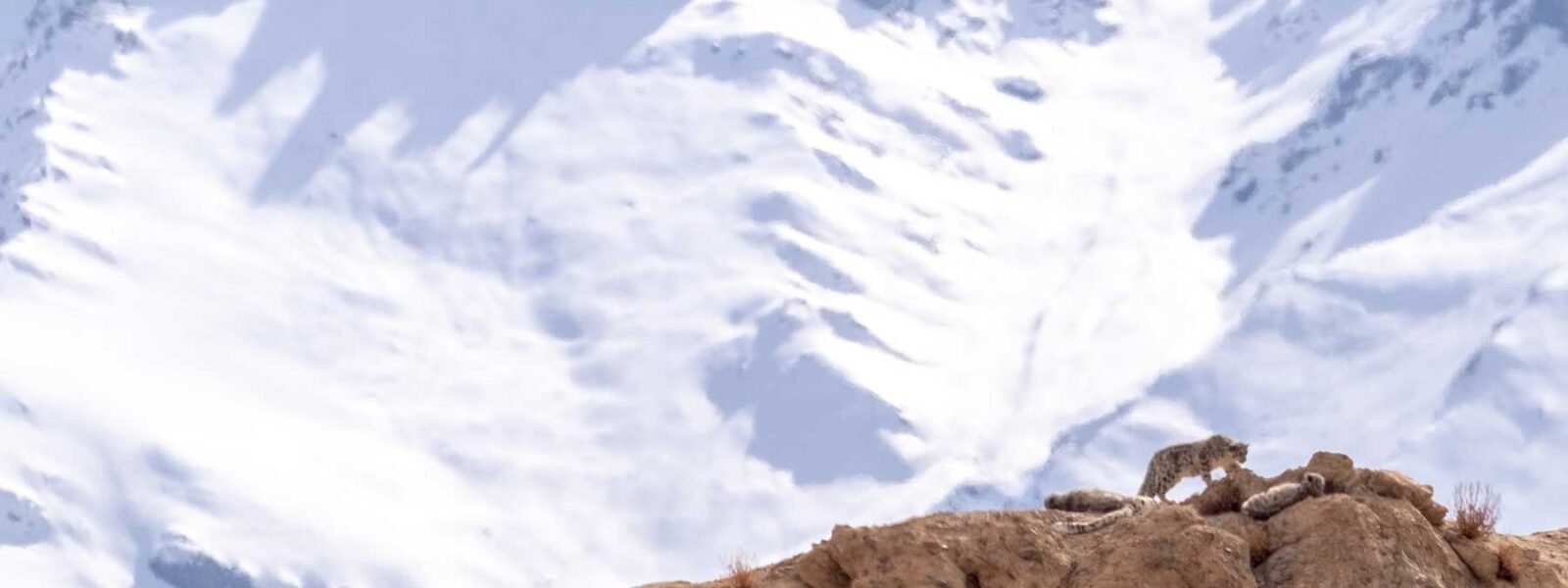
The Stillness That Demands Us Back By Declan P. O’Connor Day 1–2: Arrival in Leh and Orientation First Breath, Second Thought The aircraft banks and the mountains rise like a ledger of old vows. Leh appears as a precise geometry of white walls and prayer flags, a modest punctuation in a paragraph written by stone. The first breath at altitude is always a small negotiation. Your chest lifts, your will insists, and the air—thin, remote, impartial—answers only with limits. A Ladakh wilderness expedition is not a vacation but a conversation with constraint. The mind, oxygen-starved and chastened, slows into a steadier grammar. Coffee tastes like intention. Footsteps sound louder on the guesthouse stairs. A kettle clicks and the village dogs wake, offering the kind of civic notice that passes for dawn. Orientation is bureaucratic and sacred in equal parts. Permits are secured with the mild theater of forms, passport photos, and stamps that carry the weight of deliberate borders. Bottled water is stacked. Batteries are counted. I learn the shape of my days: an alternating current of movement and attention. The high Himalaya are not merely big; they are morally scaled. To look at them is to feel a claim upon one’s interior life. It is the quiet demand to become less performative, less loud, more true. I walk the market and buy apricots and salt; I rehearse simple greetings. A monastery bell strikes afternoon into focus, as if to say: simplicity is not the absence of detail but the presence of order. The expedition begins not with a trek but with a tempering—of breath, of appetite, of expectation. Learning the Local Grammar of Respect In the small span between airports and passes, there is always a catechism of humility. The driver—steady hands, a rosary of cracked leather on the mirror—speaks of roads opening and closing with storms that move like private negotiations between ranges. He offers advice with the charity of experience: drink water before thirst; eat slowly; let the body learn the elevation instead of declaring it conquered. A Ladakh wilderness expedition has many outcomes, but the successful ones begin with this apprenticeship. The medical kit, the layered clothing, the careful sleep—these are not just logistics; they are ethics. At the guesthouse courtyard, a woman hangs wool to dry, and the afternoon wind lifts each strand as if taking attendance. Orientation is also the education of appetite. There is butter tea, strong and improbable, and there are thukpa bowls with steam that persuades you to be kinder to the present moment. The market is a map of necessary pleasures: walnuts, sun-dried tomatoes, yak cheese, the patient bargaining that passes time rather than saving it. I adjust camera straps and test the lenses, but I am slow to point at anything. The first photographs, like first prayers, should be quiet. At evening, the town lights rise with modest ambition. I make notes: that we are not here to accumulate views but to practice custody of attention; that the high country makes honesty feel like oxygen; that silence, properly kept, is a form of hospitality. Sleep comes with the firmness of a promise that tomorrow will ask more, and I accept that I have agreed to be asked. Day 3–4: Hemis National Park — Snow Leopards and Wildlife What the Cold Cat Teaches Before the ridgeline draws its blue blade against the morning, trackers point into distances measured in patience rather than meters. Snow leopard country is a seminar in probability. You scan couloirs and talus, looking for a kink in the pattern, a punctuation mark in the grammar of rock. A Ladakh wilderness expedition carries the drama of possibility, but it trades spectacle for reverence. We glass the slopes until thought itself becomes granular. Every shadow suggests a tail; every ledge is an argument for hope tempered by geology. The guides talk softly, as if loudness might alter the contracts animals keep with their terrain. I learn that the cat is as much an absence as a presence, and that devotion often looks like steadiness. In this park, the ethics of looking are explicit. You do not chase. You do not crowd. You do not let your longing make you careless. The cold burns a civility into the fingers, and the tripod becomes a liturgy of small, precise motions. We find tracks—ellipses stamped into powder—then a spray of urine on a juniper that might be yesterday’s news or this morning’s proclamation. Somewhere, a blue sheep stands in the realm between vigilance and calm. One fox unwinds its brush across snow as if editing the page we are trying to read. The cat remains theory, a beautiful rumor that feels truer than most facts. I write: that desire without discipline is noise; that the best photographs are contracts of witness rather than possession; that the mountain keeps its own counsel and is better for it. Companions of the Unseen Even when the leopard refuses to audition for us, the park offers a choir of smaller fidelities. Lammergeiers pass like winged hyphens across a sky of hard light. The river rehearses the long sentence of its thaw. The ibex—horns like parentheses around a quiet argument—demonstrate the grammar of balance. A Ladakh wilderness expedition, paced by this wildlife, replaces the tourist’s appetite with a citizen’s posture. To accept the unseen is to become truer in the seen. Near a warming sun patch, we find the scrape of a snowcock, drifted over, and a single feather, the kind of evidence that makes belief reasonable. At camp, talk turns from sightings to meanings. We are spread out like footnotes around the stove, where tea upgrades to philosophy. Someone says that patience is faith lived in public. Someone else suggests that altitude exiles irony, for sarcasm has no oxygen up here. The guide smiles into his cup. Night drafts its blue curtains, and a wind explores the seams of our tents. The cat may have watched us all day, approving our modest competence or merely tolerating our clumsy pilgrimages. Either way, we have been corrected. We are guests with better manners than yesterday, and the park, indifferent and generous, permits our gratitude. Day 5–6: Changthang Plateau — Nomadic Life and Flora Where Wind Learns the Names of People The Changthang is less a place than an argument for durability. It is a catalog of winds and distances, a ledger of herds written in hoofprints that the next gust will edit without malice. The nomadic camps—tents black as grammatical marks, smoke rising like commas—teach a social economy made of time and thrift. A Ladakh wilderness expedition seeks wildlife, yes, but it also studies the human cadence that has learned to live at such persuading altitudes. I sit with a family who pour tea that tastes of wood and attention. A child offers a smile that belongs to this climate: unembellished, practical, whole. Flora here is not lush; it is deliberate. Cushion plants stage their botanical humility between stones. Edelweiss appears like a disciplined hope. Each flower is an essay in restraint, an economy of strategy: grow low, invest in roots, keep your promises. I write their names with the diligence of a beginner, aware that language is a form of respect. Yaks move like slow punctuation across a landscape that refuses melodrama. Salt lakes flash a difficult, metallic beauty. The elders speak of routes as if they were proverbs—tested, repeatable, generous in their caution. Evening gathers with the arithmetic of temperature drop, and stars open like a policy of transparency. The wind names the tents in a language everyone understands. Commerce, Custodianship, and the Price of Speed There is a temptation to romanticize nomadism as freedom unbilled. But the camp ledger records costs as carefully as kinship. Education requires distance; healthcare requires time; storms require luck. And yet there is an elegance here, an equilibrium between taking and tending. A Ladakh wilderness expedition taught in campfire light learns that stewardship is a verb of many tenses: what you received, what you maintain, what you will hand on. A herder shows me a repaired saddle, the leather dark with use and oil, and in his hands I see a civic philosophy more durable than slogans. Speed is the modern prodigal. It throws cash at problems that require relationship. Here, decisions are paid for in patience. Even the plants reinforce the point: persistence beats flourish at this altitude. I walk out among small flowers that keep their courage near the ground and think of cities where we ask too much of each day. The plateau answers by being exactly itself: frugal, exact, true. The night brings a discipline of cold that locates our priorities with ruthless clarity. We sleep because we have earned it. We rise because the horizon has not moved and will not make the courtesy of moving for us. Day 7–8: Tso Moriri Lake — Birds and Reflections Water Asks the Sky a Question Tso Moriri receives clouds the way a scholar receives citations: carefully, with the grace of good memory. The lake’s blue is not the tantrum of a tropical postcard but the polish of altitude: exact, literate, undistracted. Bar-headed geese debate the margins, their calls carrying like a parliament convened in air. A Ladakh wilderness expedition gains another instrument here: reflection. The water drafts a second copy of creation and asks if we are reading either version correctly. Every gust edits the surface footnote; every lull restores the main text. The far mountains sit like moral propositions, and the mind, cornered by beauty, becomes honest. We photograph, but carefully. The lens is too eager to flatter; the lake prefers witnesses who have rehearsed sincerity. I watch a pair of grebes negotiate a choreography that makes my schedule look silly. The shore is an index of tiny tracks. Even the insects seem to endorse restraint. I sit, and the cold rewrites my posture. In this clean light, ambition loses its swagger and beco
source https://lifeontheplanetladakh.com/blog/ladakh-wilderness-expedition-reflection/


Comments
Post a Comment