Altitude Sickness Ladakh: A Smart Acclimatization Guide for High-Altitude Travel
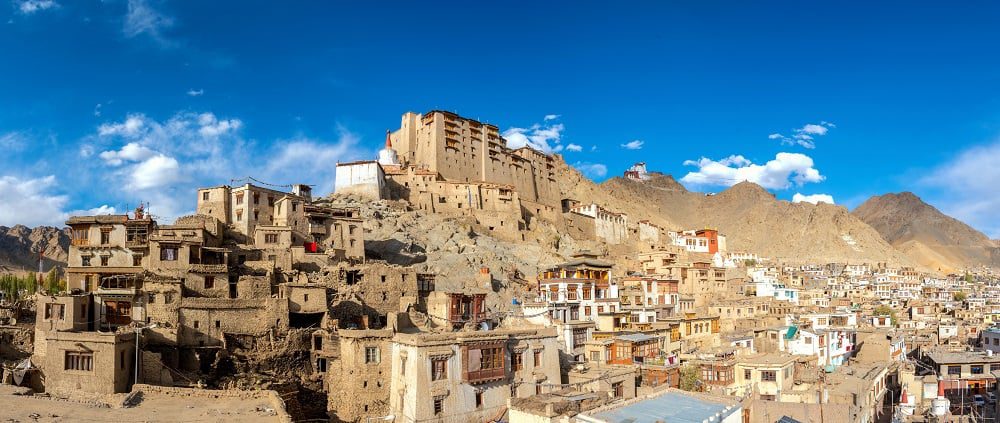
Leh at First Breath: Learning the Pace of Ladakh’s Thin Air By Sidonie Morel A room of sun and silence—your first hours in Leh The arrival ritual (and why doing less is doing it right) You notice it first in the stairs. Not a dramatic collapse, nothing worthy of a melodrama—just a quiet surprise, as if the building has become a fraction steeper than it was on the map. Leh receives you with a particular kind of light: pale, unhurried, almost ceremonial. And with that light comes the first lesson in preventing altitude sickness in Ladakh. It is not a lesson of grit. It is a lesson of tempo. European travellers often arrive with a small, well-meaning impatience: the desire to “use the day,” to squeeze the itinerary until it sings. Yet the first hours at altitude reward the opposite. The body is not a suitcase you carry; it is the place you live. When you land in Leh, your lungs and blood begin the slow work of altitude acclimatization. This is the moment when altitude sickness in Ladakh is most easily avoided—not through special equipment, but through restraint so simple it almost feels like an indulgence. Begin with an arrival ritual that is deliberately ordinary. Drink water. Eat something warm and mild. Unpack slowly, as though the act of folding clothes is part of the journey. If you wander, do it like someone reading a poem aloud: a few lines, then a pause. A short stroll in the old lanes, a glance at prayer flags lifting and settling, a seat in the sun for ten minutes longer than you planned. The point is not laziness. The point is a gentle introduction to high altitude travel, so your body can adjust before you ask it for anything heroic. This is where preventing altitude sickness in Ladakh becomes less a checklist and more a posture. If you feel slightly breathless, let it be a reminder to soften your pace rather than an invitation to worry. If your appetite is shy, listen and keep things simple. If your sleep is strange, accept that the first night in Leh often is. These details are not failures; they are early signals in the acclimatization process. And when you treat them with calm attention, you create the most dependable foundation for safe trekking in Ladakh later on. Many people search for a single secret to preventing altitude sickness in Ladakh. The secret is disappointing in its simplicity: arrive, and then allow the body time to arrive too. Do not try to prove anything on Day 1. You are not here to win. You are here to breathe, to watch, to adjust. Ladakh does not ask for haste; it asks for presence. The gentle rule of Day 1 There is a rule that feels almost insulting to ambitious travellers: on the first day in Leh, do less than you think you can do. If you want practical guidance, here it is, without fuss. Keep exertion low. Avoid long, steep climbs. Do not plan a “quick” drive to a very high viewpoint simply because the road exists. In the language of medicine this is called avoiding rapid ascent; in the language of travel it is called keeping your promises to yourself. It is the simplest form of preventing altitude sickness in Ladakh. Day 1 should be designed around comfort and calm. Take a short walk at an easy pace. Sit down when you feel like sitting down. Choose a meal that is familiar rather than challenging. Keep alcohol for later; in the first days, it steals hydration and confuses symptoms. Keep caffeine moderate; a little is fine, but don’t use it to force energy you have not earned. If you are the kind of person who becomes anxious when resting, give your mind a task that does not demand your breath: writing notes, sorting photos, reading a chapter, or simply watching the sky shift colour. On paper, Leh is not the highest place you will visit in Ladakh. But it is high enough to make the first day decisive. Many cases of altitude sickness in Ladakh begin with an innocent mistake: a traveller feels “fine” in the afternoon, assumes the body has adapted, and then stacks the next hours with activity. The headache comes at night, the nausea follows in the morning, and suddenly the trip feels fragile. Preventing altitude sickness in Ladakh is often a matter of not testing your luck before you have to. If you want a small, elegant discipline for Day 1, choose one gentle outing and do it slowly. Perhaps a quiet monastery visit nearby, perhaps a stroll where you can return to your room easily. Then return. Drink water. Eat. Sleep early. This is not wasted time; it is the first investment in a safe Ladakh acclimatization itinerary. When you treat Day 1 with seriousness, you create the freedom to explore later without fear or strain. Above all, let the first day feel like a soft landing. Preventing altitude sickness in Ladakh is not about being tough; it is about being wise enough to be kind to your body when the air is thin. What altitude does—without melodrama The simple physics of less oxygen (and why you feel it in small things) High altitude travel changes the rules quietly. The air is not “bad,” it is simply less generous. At altitude, there is less oxygen available with each breath. Your body must adjust: breathing increases, heart rate rises, and over time your blood chemistry shifts to carry oxygen more efficiently. This is the acclimatization process, and it is the reason preventing altitude sickness in Ladakh is not a matter of willpower. The body adapts, but it does so on a timetable that cannot be rushed. You feel this physics in small, almost domestic ways. Brushing your teeth might leave you slightly winded. Carrying a bag up one flight of stairs feels curiously intimate with your pulse. You may notice your mouth drying faster, your thirst arriving sooner, your sleep becoming lighter. None of this means you are unfit. In fact, fitness can be misleading: a strong heart and trained legs do not grant immediate immunity to altitude sickness in Ladakh. Fit people can suffer just as easily if they ascend too fast, sleep too high too soon, or ignore early symptoms. Understanding the mechanism gives you calm. When a traveller knows what is happening, they tend to panic less, and panic is a hungry thing—it asks you to fix what cannot be fixed instantly. Instead, you can respond with what works: rest, hydration, and a conservative approach to sleeping altitude. This is why the golden principle of preventing altitude sickness in Ladakh is not about how high you go in a day, but about how well you allow your body to adjust when you return to sleep. The simplest explanation is also the most useful: altitude is a stressor. Your body is doing extra work simply to maintain normal function. So you must reduce other stressors. That means fewer strenuous walks, fewer heavy meals at the start, fewer late nights, fewer long drives that climb quickly. It means treating the first days as a period of adjustment rather than performance. When you do this, preventing altitude sickness in Ladakh becomes a quiet collaboration with your own physiology. If you want a travel-minded image, imagine your body as a fine instrument. In the lowlands it plays easily; at altitude it requires tuning. You do not blame the violin; you tune it. You do not bully the instrument; you listen. That is the spirit that underpins safe trekking in Ladakh and the most reliable way to reduce the risk of acute mountain sickness (AMS). Normal discomfort vs. warning signs There is a difference between the mild discomfort of adjustment and the kind of symptoms that demand immediate respect. Many travellers experience mild signs during the first days of altitude acclimatization: a light headache, a slight loss of appetite, a little nausea, restless sleep. These can be normal in the early phase of high altitude travel. They often improve with rest, fluids, and a conservative plan. And this is precisely where preventing altitude sickness in Ladakh is most effective: you treat mild symptoms as information, not as an inconvenience to be ignored. But there are warning signs that should change your plan, quickly and without pride. A severe headache that worsens and does not improve with rest. Vomiting that continues. Confusion or unusual clumsiness. Breathlessness at rest, as if you cannot speak comfortably. A cough that intensifies and is accompanied by chest tightness. Difficulty walking in a straight line. These are not “part of the adventure.” They are reasons to stop ascending, to consider descending, and to seek medical assistance. The romance of travel has no place in negotiating with a dangerous symptom. If you are travelling with friends, make an agreement in advance: you will take symptoms seriously, and you will not shame one another for caution. In Ladakh, the environment is generous but not forgiving of arrogance. Preventing altitude sickness in Ladakh is also a social practice: you watch each other, you speak honestly, you avoid the temptation to push someone onward because the view is “just one more hour away.” A practical rule that many guides live by is simple: if symptoms are mild and stable, you can rest and maintain your current sleeping altitude. If symptoms worsen, you do not go higher. If symptoms become severe, you go lower. This is not drama; it is common sense shaped by experience. Most altitude sickness in Ladakh becomes serious only when people continue to ascend despite worsening signs. Prevention is rarely heroic. It is usually a decision made early, in a quiet room, with a glass of water and a willingness to slow down. Learn this distinction, and your confidence grows. You can enjoy Ladakh without fear, because you know what to watch for and what to do. Preventing altitude sickness in Ladakh does not mean eliminating all discomfort; it means keeping discomfort in the safe zone, where it resolves rather than escalates. The Ladakh acclimatization blueprint (that still feels like a holiday) A 4–5 day “soft landing” itinerary based in Leh The most elegant itineraries are often the m
source https://lifeontheplanetladakh.com/blog/altitude-sickness-ladakh-acclimatization/


Comments
Post a Comment