The Paths That Vanished: vanished trails Ladakh and Forgotten Mountain Routes
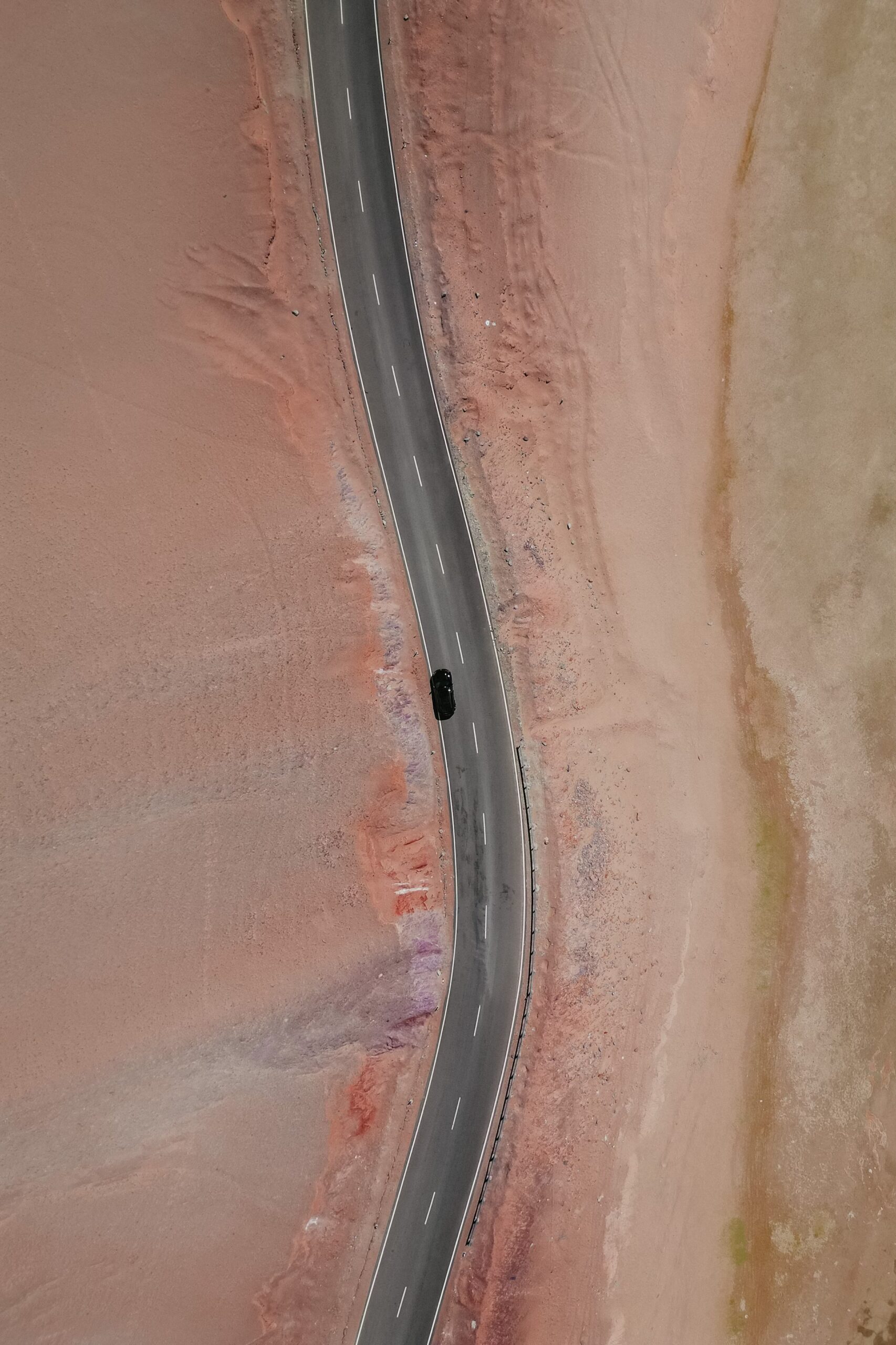
When Movement Followed Memory, Not Maps By Declan P. O’Connor Introduction: Ladakh as a Landscape of Disappearing Movement There is a quiet misconception about Ladakh that persists in much of the travel writing surrounding it. The region is often framed as a place of extreme journeys, dramatic ascents, and clearly defined routes that invite the modern trekker forward. Yet for most of its history, Ladakh was shaped not by fixed trails or celebrated passages, but by movement that adapted, dissolved, and reappeared according to need. The paths that mattered most were rarely permanent, rarely named, and almost never drawn with the expectation that they would last. To understand Ladakh only through its surviving roads and popular trekking corridors is to miss an older geography entirely. Long before asphalt connected valleys and vehicles replaced animals, movement here followed seasonal logic, social obligation, and memory. People crossed slopes because they had always crossed them, because livestock needed grass, because grain had to reach another village before winter closed the passes. When those reasons disappeared, so too did the routes themselves. This article is not about rediscovering forgotten trails, nor about encouraging their revival. It is about acknowledging that Ladakh is also a landscape defined by absence. Its vanished mountain routes are part of its cultural fabric, even if they no longer function as paths. By looking closely at how and why these routes disappeared, we gain a deeper understanding of Ladakh as a living place rather than a fixed map. Before Modern Roads: How People Moved Through Ladakh Seasonal Logic Over Permanent Trails Movement in Ladakh was never governed by the idea of permanence. Trails did not exist as fixed lines etched into the land, waiting to be followed year after year. Instead, mobility was shaped by a seasonal rhythm that responded to snow, pasture, and survival. In summer, higher ground opened briefly, allowing herders to move livestock toward grazing areas that would soon vanish under winter’s return. In winter, movement contracted inward, favouring lower elevations and protected valleys. This form of travel did not require clearly marked routes. Knowledge was carried in memory, passed between generations through practice rather than instruction. A crossing might shift slightly each year depending on erosion, snowfall, or the condition of the animals. What mattered was not the exact line taken, but the collective understanding that a passage was possible under certain conditions and impossible under others. Because these movements were temporary by nature, they left little trace. Once a seasonal journey ceased to be necessary, the land reclaimed it quickly. Grasses returned, stones shifted, and what had once been a frequently used crossing became indistinguishable from its surroundings. These were not failures of infrastructure, but reflections of a society that valued adaptability over permanence. Seen this way, Ladakh’s vanished routes are not mysteries waiting to be solved. They are evidence of a landscape where movement was responsive, minimal, and deeply attuned to environmental limits. The absence of trails today does not indicate neglect, but a historical logic that never expected them to endure. Trade, Pilgrimage, and Informal Connectivity Beyond pastoral movement, Ladakh was once connected by an intricate web of informal routes shaped by trade and pilgrimage. Salt, wool, barley, and tea moved between valleys and across high passes, carried by people who relied on experience rather than signage. These journeys followed corridors of trust and necessity, linking monasteries, markets, and seasonal gathering points. Unlike modern trade routes, these paths did not aim for efficiency alone. They balanced distance with safety, weather patterns, and social obligations. A trader might choose a longer crossing if it offered shelter or aligned with established relationships in another village. Over time, such decisions created habitual movements rather than formal roads. Pilgrimage added another layer to this network. Certain routes existed primarily because they led to spiritual destinations, yet even these were rarely formalised. The act of walking itself carried meaning, and the route could shift as long as the intention remained intact. When pilgrimage practices changed or diminished, the paths associated with them faded quietly into the landscape. What remains today are fragments: references in historical accounts, place names that hint at former connections, and stories recalled by elders. Together, they suggest a Ladakh that was once far more interconnected than its current road network implies, yet connected in ways that resisted permanence. Paths Without Names: Routes That Existed Only Through Use Oral Geography and Local Memory In Ladakh, geography has long been understood through language rather than maps. Many routes that once existed are remembered not as trails, but as sequences of places: a slope known for early snowmelt, a bend in a stream where animals could drink, a ridge that offered shelter from wind. These references formed an oral geography that guided movement without ever defining a single, fixed path. Such knowledge was practical and precise, yet inherently fragile. It depended on continued use and relevance. When economic patterns shifted or younger generations adopted different livelihoods, the need to remember these details diminished. Without repetition, memory softened, and routes lost their meaning even if their physical traces remained. What survives today is often incomplete. A village may recall that people once crossed a particular pass, but not the exact line they followed. A name may persist on a map without explanation, detached from the movement that gave it purpose. This partial survival is not a failure of memory, but a reminder that these routes were never meant to be preserved as heritage objects. Writing about such paths requires restraint. They cannot be reconstructed with certainty, nor should they be. Their value lies in acknowledging that Ladakh’s past mobility was real, even if it resists modern documentation. Why These Routes Were Never Mapped The absence of these routes from official maps is often mistaken for evidence that they did not exist. In reality, mapping priorities rarely aligned with everyday movement. Colonial surveys focused on strategic corridors, borders, and resources, not on the seasonal crossings of herders or the informal links between villages. Even where surveys recorded passes and valleys, they frequently ignored the nuances of how people actually moved through them. A single line on a map could not capture the variability of a route that shifted each year or depended on conditions impossible to standardise. As a result, many lived pathways were invisible to cartography from the beginning. Modern mapping has inherited this limitation. Satellite imagery may reveal terrain, but it cannot recover intention. Without consistent use, a former route leaves no clear signature. What remains unmapped is not an oversight, but a reflection of how these paths functioned outside the logic of permanent infrastructure. Understanding this helps prevent a common error: the assumption that unmapped routes are invitations to explore. In Ladakh, invisibility often signals conclusion rather than opportunity. What Made These Trails Vanish The Arrival of Motor Roads and New Corridors The construction of motor roads marked a decisive shift in Ladakh’s geography. Movement became concentrated along a limited number of corridors designed for speed and durability. These roads did not simply add new options; they rendered many older routes unnecessary. Once goods and people could move quickly by vehicle, the logic that sustained smaller paths dissolved. Villages adjusted their rhythms, markets relocated, and seasonal journeys lost relevance. The land responded accordingly, erasing traces that no longer served a purpose. This transformation was neither sudden nor uniformly experienced, but its effect was cumulative. Each new road reduced the need for alternative crossings, narrowing the range of movement until only the most efficient paths remained active. What disappeared was not just a network of trails, but a way of understanding distance and effort. In this sense, vanished routes are part of a broader story about how modern infrastructure reshapes perception as much as terrain. Borders, Militarization, and Restricted Landscapes Geopolitical realities have also played a decisive role in erasing older routes. Areas once crossed freely became restricted, monitored, or closed entirely. Passes that served as links between regions were redefined as security concerns, severing patterns of movement that had existed for generations. This shift was not simply administrative. It altered how people related to the land, replacing familiarity with caution. Over time, routes fell into disuse not because they were forgotten, but because they were no longer accessible. The result is a landscape where absence is enforced rather than organic. Understanding this context is essential to avoiding romantic interpretations of disappearance. Economic Shifts and the End of Certain Journeys As livelihoods changed, so too did the necessity of movement. Education, wage labour, and external markets reduced reliance on seasonal travel. Journeys that once ensured survival became optional, then irrelevant. When a route no longer serves a clear function, it fades quietly. There is no dramatic moment of abandonment, only a gradual turning away. Ladakh’s vanished trails often reflect this subtle process. Why These Routes Should Remain Unwalked The Ethics of Not Reopening Forgotten Paths There is a temptation, especially in adventure-oriented narratives, to frame forgotten routes as opportunities for rediscovery. In
source https://lifeontheplanetladakh.com/blog/vanished-trails-ladakh/


Comments
Post a Comment