Where the Canyon Drinks the Sky: Rafting the Zanskar to the Indus in Ladakh
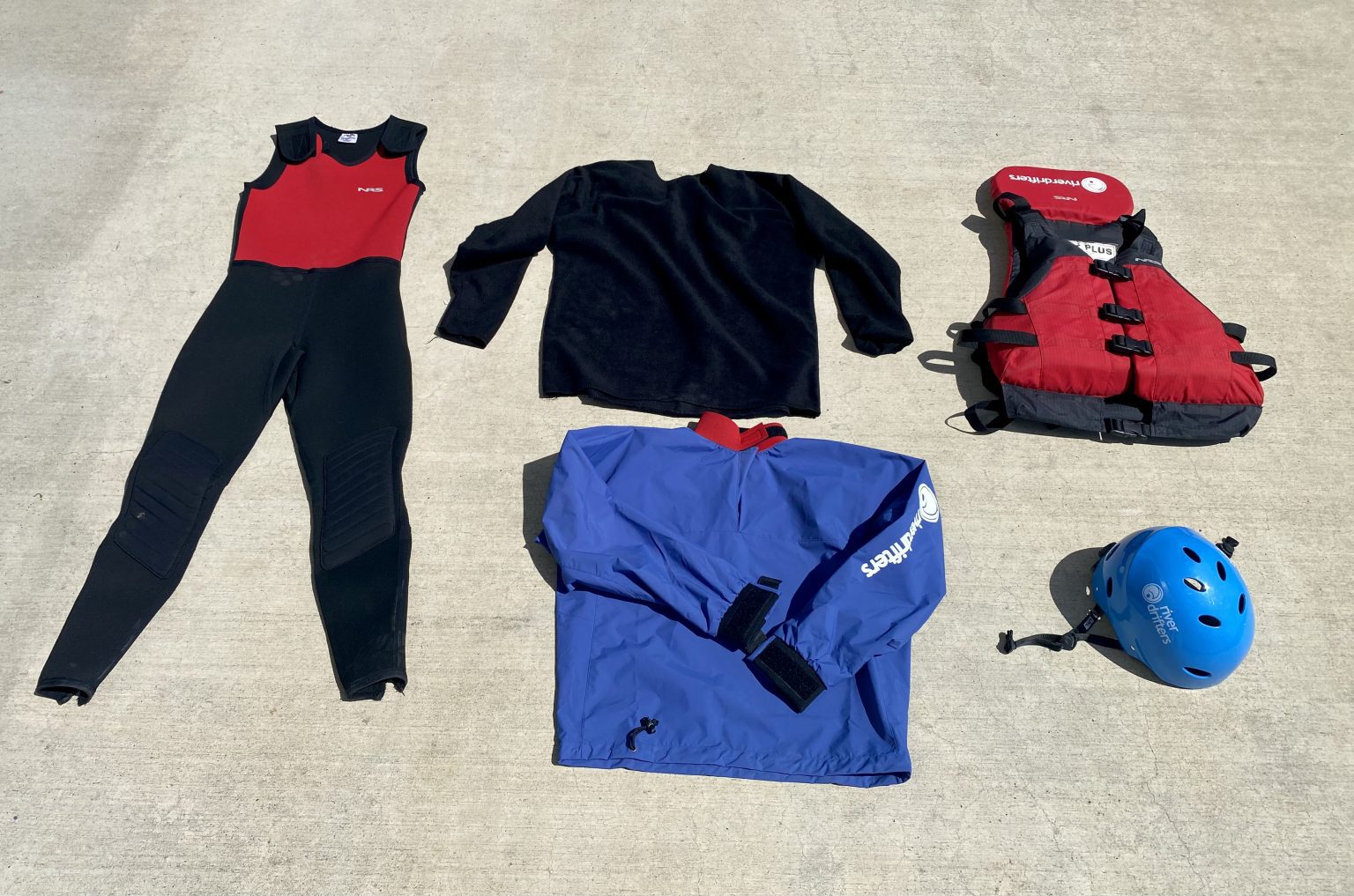
The Day the River Took Our Names By Sidonie Morel Leh, before the water Dry air, slow breaths, and the first quiet rule: acclimatize or pay Leh teaches you its terms without raising its voice. The first morning, the light arrives clean and hard, as if it has been filtered through stone. The air feels thin not in a dramatic way, but in a practical one: you stand up to pull on a sweater and you notice the small pause your lungs ask for. In the streets near the market, scooters thread through dust; shopkeepers lift shutters; a kettle begins its day somewhere behind a low wall. Everything works, but everything works a fraction slower. Before any rafting on the Zanskar can be anything but a gamble, you wait. You drink water until it becomes an activity. You keep meals plain. You walk, but you do not hurry. Your body has to learn that this is not a place for sudden effort, and the river, later, will not negotiate with a headache that could have been avoided. People arrive in Leh with an idea of adventure, but acclimatization is the unglamorous part that decides whether you will enjoy the days ahead or merely endure them. In a hotel courtyard, someone tests a new camera lens against the mountains; another person sits quietly with a cup of tea, looking at nothing in particular. A guide phones in from somewhere farther down the valley, asking if everyone is drinking enough, if anyone has slept badly, if there is nausea, if there is the dull pressure behind the eyes that makes small tasks feel heavy. It is not a performance of care; it is logistics. By late afternoon, the town’s edges soften. You can feel heat in the sun on your face, yet your fingers cool quickly in the shade. The dryness has a texture, like flour. Dust settles on the tongue. At night, you hear dogs and distant laughter, and then the quiet returns. The river is still a name at this point—Zanskar, Indus—but the body is already being prepared for the work of cold water at altitude. Kit laid out like a small ceremony: neoprene, straps, river shoes, and doubt In most travel stories, equipment is either fetishized or skipped. On this trip, it sits in the middle, unavoidable. Neoprene smells faintly of rubber and storage. When you pull on a wetsuit, it grips the skin with an honest insistence; it is not comfortable, but it is correct. Helmets clack against one another in a pile. PFDs—life jackets, in the language of river people—are checked for buckles that lock cleanly and straps that tighten without slipping. There are small things that become important later. River shoes that drain rather than fill. A dry bag that seals properly, not almost. A pair of gloves that still lets you feel the paddle shaft without turning your grip into a bruise. Sunscreen that does not melt off the moment you begin to sweat. Lip balm. A lightweight layer for camp that can be pulled on over damp skin without sticking. The river’s cold is not a poetic cold; it is a measurable cold. It comes from ice and snowmelt, from shaded gorge walls that keep sections of water refrigerated even under sun. People talk about “glacial water” as if it were a metaphor for purity. Here it is an instruction. You dress for it because you do not want your hands to stop working when you need them most. Doubt arrives in ordinary shapes: Are these straps too loose? Will my knees fit under the raft’s floor tubes without cramping? Can I swim in this altitude if something goes wrong? The questions are not dramatic, and nobody answers them with bravado. Someone shows you how to cinch the shoulder straps so the life jacket does not ride up. Someone else demonstrates how to tuck a water bottle where it cannot escape. This is the tone that carries you to the river: quiet competence, less about courage than about preparation. The road that makes the river feel earned Leaving Leh and trading comfort for distance—passes, dust, the long unspooling The drive away from Leh is part of the rafting, whether you want it to be or not. It is the slow transition from town life to river life: the last bakery, the last reliable mobile signal, the last evening when you can take a shower without thinking about how to conserve water. The road pulls you through landscapes that look empty until you watch them closely and begin to see the ways people have negotiated with altitude—fields in improbable rectangles, stone walls that hold back wind, small clusters of houses that turn their backs to winter. You climb, then descend, then climb again. On high passes, the air is sharper and the sun seems nearer. Trucks idle. Prayer flags snap and fade. There are stretches where the road narrows into a thread of gravel; the driver negotiates oncoming traffic with a patient choreography of horns and hand signals. At roadside tea stalls, someone pours sweet chai from a metal pot into glass cups that burn your fingers. The warmth is immediate and temporary, like a favor. In the back seat, bodies begin to learn how to sit still for long hours. Knees press against bags. Water bottles roll. There is a particular fatigue that comes from travel without distraction—no music you can keep steady, no scenery you can photograph fast enough to keep up with it. You begin to understand why river expeditions in this region are spoken of as journeys rather than “activities.” The river is not adjacent to the airport. It is a day, sometimes two, of movement into remoteness, and that distance changes the way you take the next instructions at the put-in. You listen more closely because leaving is not as easy as arriving. When the valley narrows and the map starts to feel like a rumor At some point the road becomes less an engineered promise and more a suggestion held together by gravel and habit. The valley tightens. Rock faces lean in. You see water below, sometimes only as a flash, sometimes as a braided stream over pale stones. The Zanskar region has a way of shifting scale: a village can appear as a handful of green against a world of brown and grey, and it is easy to forget, until you stop, how much work it takes to live here. Roadside life is stripped to essentials. A small shop sells biscuits, instant noodles, batteries. Someone has placed apricots on a cloth to dry in the sun, each fruit split neatly, each pit removed with practiced speed. A donkey carries a load that looks heavier than it should be. A child watches your vehicle pass with the calm curiosity of someone who has been watching strangers all their life and has learned not to expect anything from them. On paper, a rafting itinerary is a line from put-in to take-out, a neat sentence. On the road, the line becomes physical: you feel the altitude in your temples, the dust on your eyelashes, the heat inside the car when the sun turns the windshield into a lamp. It is here that the canyon begins to exist before you see it. It exists as an approach, as the steady removal of conveniences, as the acceptance that whatever happens on the river will happen far from quick solutions. At the put-in: a river has its own language Safety talk, signals, and the odd intimacy of listening to strangers with your life The put-in is rarely cinematic. It is work: rafts are dragged, inflated, checked; paddles are counted; dry bags are arranged so weight is balanced. People change clothes in a polite hurry, turning their backs, stepping into neoprene with the ungainly grace of adults trying not to fall. The river runs beside all of this, moving as if it has not noticed you have arrived. Then comes the talk. It is not long, but it is dense. You learn how to sit: where to place your feet, how to wedge yourself so you do not become an unplanned projectile. You learn how to hold the paddle so your wrist does not twist under pressure. You learn the commands—forward, back, stop—and the way they may be shouted over sound. You learn what to do if you fall in, and the instructions are delivered without drama because drama wastes time. “If you swim, keep your feet up, look for the raft, and listen. Don’t fight the current. Work with it.” It is strange, how quickly this creates a small society. Ten minutes ago you were strangers making small talk about flights and weather. Now you are learning the same signals and agreeing to the same rules. The intimacy does not come from emotion; it comes from shared risk and shared attention. Someone checks each helmet strap, pulling it snug under the chin. Someone else presses down on PFD shoulder straps to be sure the jacket will not float up around your ears. A guide asks if anyone has a sore shoulder, a stiff knee, anything that will matter after three hours of paddling. These are small questions, but they carry the message that your body, like the raft, has to be set up correctly before the river begins to test it. First contact: glacial shock, laughter that sounds like coughing, hands learning the paddle When the raft slides into the Zanskar, the cold arrives through the suit, not as pain but as a sudden, undeniable fact. Water seeps at the wrists, sometimes at the neck, and the body responds with a sharp inhalation. You do not “feel alive” in a neat literary way; you feel the immediate need to control your breathing. Your fingers tighten around the paddle shaft. Someone laughs, and it comes out in short bursts, the kind of laughter that is half reaction, half attempt at steadiness. The first strokes are clumsy. The raft turns more slowly than you expect, and then faster. Water hits the tubes with a sound like wet cloth slapped against stone. The guide sits where they can see everything and calls commands with a voice that stays level. Forward. Hold. Back. The raft responds in degrees, not absolutes, and you begin to understand that rafting here is not about domination; it is about reading and adjustment. The landscape does not present itself as a postcard. It is close. The river is close. Rocks are close. In certain stretches you can see the riverbed t
source https://lifeontheplanetladakh.com/blog/zanskar-rafting-ladakh/


Comments
Post a Comment