10 Villages One Ladakh: A Journey from Nubra to Zanskar and Kargil
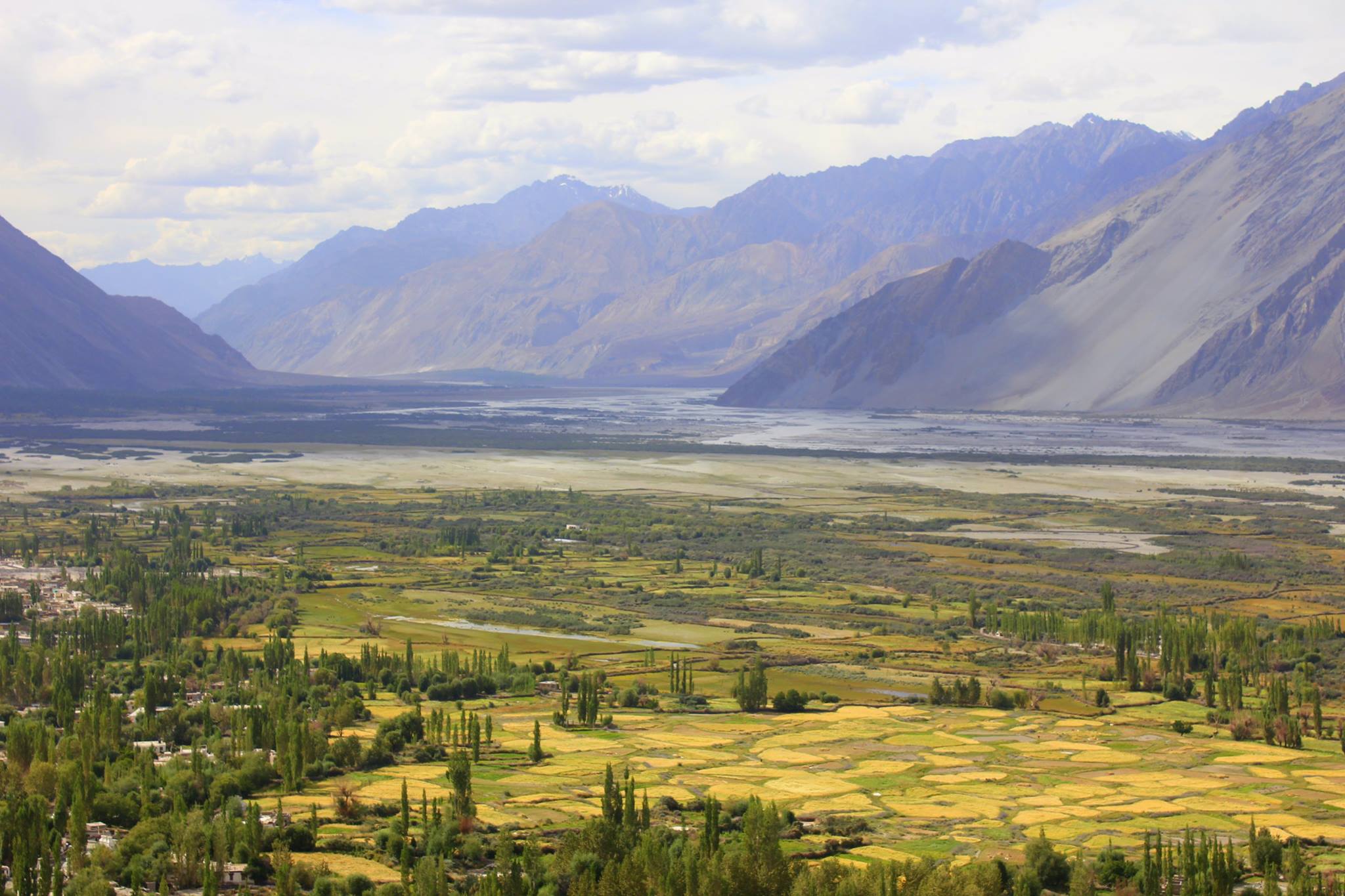
Ten Thresholds, One Ladakh: Villages That Refuse to Be Background By Sidonie Morel Before the map becomes a day Altitude, errands, and the first small rules In Ladakh, the word “village” is not a decorative stop on the way to somewhere grander. It is where tea is boiled, where barley is beaten into flour, where shoes are left by the door because the floor must stay clean, and where the shape of a day is still made by weather, water, and the distance to the next reliable shop. “10 Villages, One Ladakh: A Journey from Nubra to Zanskar and Kargil” sounds, on paper, like a neat route. On the road, it is a sequence of thresholds: gate-latches, courtyard steps, low ceilings, prayer stones, hand-pumps, steel kettles, solar panels angled toward thin sunlight. If you arrive from Europe, the first adjustment is not philosophical. It is physical and practical: altitude asks you to do less, then do it slowly. In Leh, you learn the quiet rhythm that makes the rest possible—short walks, warm drinks, early nights, and a reluctance to sprint up stairs for no reason. Hydration is not an internet tip here; it is visible in how people carry bottles and how guesthouses keep thermoses of boiled water near the kitchen. The air is dry enough to chap lips in an hour. The light has a hard edge at midday. In winter, it is the stove that dictates the evening; in summer, it is the sun and the wind. The second adjustment is social: villages are not museums. They are working places with fields, animals, and schedules. A respectful stay is mostly made of ordinary acts—asking before photographing people, keeping your shoes off when the host does, accepting that a family’s sitting room is not a lobby. The practical matters (permits, road closures, fuel) still exist, but they belong inside the story of each day: the pause at a checkpoint, the stop for tea when someone says the pass is rough, the moment you discover that cash matters again because there is no signal and no card machine will ever appear. Nubra: orchards, riverbeds, and sand that should not be there Turtuk, where apricots and borders share the same air The road into Nubra loosens the body with its gradual unfolding: the high drama of Khardung La (or the newer tunnels and alternate lines that change year by year) gives way to a valley that suddenly contains trees. You notice green in the same way you notice water after a long dry walk—first as a hint, then as a certainty. Turtuk sits at the northern edge of this world, closer to the border than most visitors need to remember, and yet it is the domestic details that stay with you: apricot trees bending over stone walls, narrow lanes where sunlight arrives in strips, and small bridges that carry you over irrigation channels with a mild, persistent murmur. In summer, fruit is not a metaphor; it is a task. Apricots are collected, sorted, split, and laid out to dry. In the morning, you can watch hands move with practiced speed—fingers that have learned the exact pressure needed to separate pit from flesh without waste. The air can smell faintly sweet near the drying racks, while the rest of the village holds that dry, mineral scent common to high desert places: dust, stone, wood warmed by sun. Even if you arrive with a camera, it is worth arriving first with patience: sit, drink tea, let the day’s noise settle. The village has its own pace; the most honest moments are usually ordinary ones—someone carrying fodder, a child balancing a water container, a grandmother adjusting a shawl and stepping back into shade. Turtuk is often described with labels—culture, history, borderland—but the texture is simple: gardens behind walls, courtyards with stacked firewood, bread on a plate, and the thin metallic sound of a spoon against a glass. In a place that feels remote on a map, the intimacy of household life is what makes it legible. Hunder at dusk: dunes, poplars, and the last quiet hour Hunder is known for sand dunes and Bactrian camels, and the dunes are indeed there—soft ridges of sand set against mountains that still hold snow. The contradiction is not staged; it is a landscape produced by wind and river over time. What is easy to miss is how quickly Hunder changes with the hour. Midday can feel busy: engines, loud voices, the urge to “do” the dunes. Late afternoon changes the proportions. Poplar trees become dark vertical strokes. The dunes take on sharper edges. Footprints appear and vanish as the wind moves sand grain by grain. If you go to the dunes, go late, and go on foot. Walk far enough that you can hear the river again, faint but present, and far enough that the last cluster of visitors becomes a small knot behind you. The sand under the sole has a specific resistance; it gives and then holds. Your socks will fill with grit. The air cools quickly once the sun drops behind the ridges. These are small inconveniences that clarify the place: this is not a set. It is a living valley where people work, and where tourism arrives as a seasonal layer on top of older rhythms. Hunder’s village lanes, away from the dunes, are where the day returns to its true scale: gardens, low walls, dogs dozing in dust, an old bicycle leaning against a gate. If you stay in a homestay, the evening is often a practical exchange—dinner served early, hot water offered in a bucket, advice about the road ahead. The warmth is not a performance; it is a habit shaped by geography. In Nubra, the night arrives quickly and without warning. That is when the stove and the kitchen become the center again. Aryan Valley: courtyards close to the road Hanu and the choreography of work From Nubra, the movement west and south shifts the scenery and the density of settlement. Aryan Valley—often spoken of in ways that flatten it—becomes clearer when you stop speaking and start noticing the layout of labor. In Hanu, fields are not distant; they sit almost inside the village. Paths between houses feel like extensions of courtyards. Water is guided into narrow channels with the kind of seriousness that comes from living in a dry place: nothing is wasted, nothing is assumed. What you will see depends on season. In warmer months, there is a constant movement between field and home: bundles carried, weeds pulled, tools set down and picked up again. In quieter months, you notice the structure—the storage, the wood piles, the way a house is arranged to keep warmth. The details are modest but precise: a woven basket, a flat stone where grain is worked, a cloth hung to dry. Even the soundscape is different from the bigger hubs: fewer engines, more footfalls, more animal bells, occasional voices that carry through the lanes. Travelers sometimes arrive here with a desire to “understand” quickly. Hanu resists that. It is better approached with ordinary courtesy: greet people, ask before entering spaces, accept that some moments are not for you. If you stay overnight, the real intimacy is not in conversation but in the simple sequence of dinner, washing, and sleep: a kettle on the stove, plates stacked carefully, tea refilled without ceremony, the quiet that follows when the day’s work is done. Staying lightly in villages that are not staged In smaller Ladakhi villages, the line between private and public is often more visible than it is in cities: a gate, a threshold, a low wall. Respect is therefore visible too. Keep your voice down in narrow lanes. Avoid walking through fields unless you are clearly invited. Ask before photographing people, and accept “no” with ease. When visiting in groups, the impact is immediate: a courtyard that comfortably holds two guests can feel crowded with six. Practicalities can be folded into this same ethic. Carry enough cash for homestays and small purchases; do not assume digital payments. Bring a water bottle and refill where your host indicates safe water. Use layers rather than chasing “perfect” warmth—temperatures swing, and houses are heated in local ways that do not always match hotel expectations. These are small preparations that prevent the clumsy behavior of someone who arrives unready and then demands the village rearrange itself. Lower Ladakh: murals, shade, and the village lane as a timeline Alchi: quiet courtyards and old paint that still holds light Alchi is often visited as a monastery stop, and it can be that, but the village context matters. The first noticeable change here is altitude: the air feels slightly thicker, the day slightly gentler on the body. Trees gather around the settlement. Shade becomes a real architecture. In the lanes, you can walk without squinting constantly. The sound of water—channels feeding fields—returns as a regular feature rather than an occasional surprise. Inside the old structures, the murals are not simply “beautiful.” They are worked surfaces: pigment that has endured smoke, cold, and centuries of weather. The paint holds light in a particular way, absorbing it rather than reflecting it. Standing close, you see texture, not just image—tiny irregularities where brush met wall. If you visit at a quiet hour, you can hear small sounds that are usually drowned out elsewhere: the shift of a caretaker’s steps, the fabric of someone’s sleeve, the soft click of a door latch. In the village, ordinary life continues beside this old art. People move between fields and homes. A shop might sell biscuits, tea, a few essentials. Someone will be repairing something—wood, a bicycle, a roof edge. This proximity is what makes Alchi memorable: the sacred is not isolated; it sits inside the same daily world of cooking and labor. For a traveler, it is also a relief. After days of high altitude and long drives, the smaller scale lets you see more because you are not always bracing yourself against the environment. Lamayuru: wind, stone, and a landscape that edits your language Lamayuru is approached through a terrain that strips away softness. The ground looks granular, as if it has been poured ra
source https://lifeontheplanetladakh.com/blog/10-villages-ladakh/


Comments
Post a Comment