Choosing a Slower Ladakh: A Gentle Way to Plan the Right Route Pace and Season
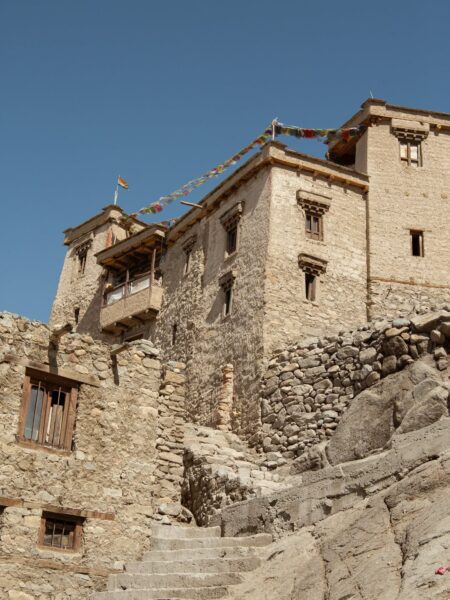
The first mistake many travelers make in Ladakh is not that they go too far, too fast, but that they try to hold too much in one visit. A map can make the region look compact: Leh, Nubra, Pangong, Tso Moriri, monasteries, passes, villages. But Ladakh is not measured well by distance. It is measured by altitude, by light, by the time it takes the body to settle, and by how much of the place a traveler is actually able to notice. If you are wondering how to plan a more meaningful and comfortable journey through Ladakh without rushing from one landmark to another, the quiet answer is to choose fewer places and give them more time. A slower route is not less complete. In Ladakh, it is often the route that lets the landscape become legible. You begin to understand why the road bends the way it does, why villages gather around water, why monasteries seem to keep their own weather, and why even a simple evening walk in Leh can stay in memory longer than a packed day of viewpoints. Travel style Best route shape Feels right for Less suitable for Slow and thoughtful Leh base, then one valley at a time First-timers, culture-minded travelers, families, comfort-focused journeys Travelers who want to see every famous lake in a few days Scenic and varied Leh, Nubra Valley, then one high-lake extension People who want a balance of dunes, passes, and water landscapes Anyone who tires easily at altitude or dislikes long road days High and remote Leh, Tso Moriri, with extra acclimatization Travelers who want silence, space, and deeper remoteness Short trips, families with small children, or anyone unsure about altitude If I were helping a traveler choose one shape for Ladakh, I would begin with this: stay in Leh long enough to feel unhurried, then leave only when the body has adjusted and the mind has stopped asking the place to perform. That means giving the first two days to rest, easy walks, monastery visits close to town, and the ordinary work of acclimatization. A traveler who arrives and immediately chases a long circuit often spends the best landscapes in a state of fatigue. Leh is not a stopover; it is the beginning Leh is often treated like a transit point on the way to the famous names. In truth, it is where Ladakh begins to reveal its rhythm. There are mornings when the old lanes are still, when water trickles beside fields, and when the air feels thin but clear enough to make every sound distinct. A few gentle hours here can be more valuable than a hurried excursion. For a meaningful pace, start with Leh itself and what lies nearby: a monastery in the morning, a quiet village road in the afternoon, perhaps a tea stop where conversation comes slowly. This first stretch matters because it teaches the body not to argue with altitude. At this height, comfort is not a luxury; it is the condition that allows beauty to be felt properly. Many travelers ask whether they should go first to Nubra or Pangong. The better question is: how well do you tolerate the road, and how much do you want the journey to feel like travel rather than a list? If you only have a few days, it is usually wiser to choose one outer valley and leave the others for another visit. If you have more time, the combination of Nubra and one high lake can be rewarding, but only when the itinerary leaves breathing space between long drives. How to choose the right route Choose Nubra Valley if you want a route that feels varied and grounded. The road north over the pass offers the drama of ascent and descent, but the valley itself softens into village life, sand, water, and wide open air. Nubra suits travelers who enjoy change in scenery without needing to feel remote every moment. It is also a more forgiving introduction to the region for many first-time visitors, especially if the itinerary is not crowded. Choose Pangong if your idea of Ladakh is tied to light on water and the austere simplicity of a high lake. It is visually strong, especially early and late in the day, but it is also a destination that rewards patience more than haste. A rushed visit can leave only the image of a famous blue surface. A slower stay allows the wind, the temperature shift, and the changing color of the shore to become part of the experience. Traditional stone monastery building with prayer flags and steps in Ladakh. Choose Tso Moriri if you are drawn to space, silence, and the feeling of being farther from the usual road of travel. It asks more of the traveler: more time, more respect for altitude, and a willingness to let the journey feel less polished. But for the right person, it offers something rare: a landscape that seems to breathe at its own pace. Choose monasteries and village circuits if your travel interest is cultural rather than panoramic. Ladakh is not only a land of big views. It is also a place where religious life, farming life, and family life continue in the same frame. A morning at Hemis, Thiksey, Alchi, or another monastery can be meaningful when it is not treated as a quick photo stop. The point is not how many monasteries you can tick off, but whether one or two of them give you a sense of the region’s deeper calm. What a good pace looks like A comfortable Ladakh trip often follows a simple truth: one moving day should be followed by a quieter day, or at least by a shorter one. This is not rigidity. It is respect for the altitude. Roads are slow, distances are deceptive, and fatigue can arrive long after the excitement of the first viewpoint has faded. For many travelers, a well-paced journey might look like this in spirit: Arrival in Leh and complete rest. A gentle local day with monasteries, fields, or short village walks. One longer excursion to Nubra, Pangong, or another valley. A return day with less pressure, allowing the body to recover. Only then, if time allows, an additional extension to a more remote lake or pass. This approach may seem slower than what many itineraries promise, but it is often the difference between visiting Ladakh and actually experiencing it. When travelers try to fit Nubra, Pangong, Tso Moriri, all the monasteries, and every famous pass into a short stay, they may come home with photographs but very little sense of place. Season matters more than many travelers expect Ladakh changes with the season in ways that affect both comfort and meaning. The high summer months are the most straightforward for first-time visitors: roads are more open, days are longer, and the rhythm of travel is easier to manage. This is also when many travelers come, so the atmosphere is livelier, and the main routes feel more connected to each other. Earlier in the season, the land can feel cleaner and sharper, with a certain spare beauty that appeals to travelers who prefer fewer people around. Later in the season, the light can become softer, the nights cooler, and the feeling of the region more settled. Each period has its own temperament. The best choice depends less on a calendar and more on what kind of experience you want. Woman in traditional Ladakhi dress seated on carved steps with ornate jewelry and decorative backdrop If comfort and ease matter most, it is better to choose a season with dependable road access and avoid compressing too many remote places into a short window. If photography is central, think about light, sky clarity, and the time of day rather than only the month. If cultural experience matters most, visit when you have enough time to sit, listen, and move at village speed rather than rush between destinations. Altitude strategy: the part that protects the whole journey In Ladakh, altitude is not a side note. It is the first condition of the trip. Travelers who respect it usually enjoy the region more deeply because they are less distracted by headaches, breathlessness, or exhaustion. The simplest strategy is also the best one: arrive gently, rest properly, drink enough water, and postpone the long drives until the body has settled. It also helps to be honest about your own pace. Some people acclimatize quickly and feel ready for a fuller program after a day or two. Others need a little longer, and there is no shame in that. A thoughtful Ladakh trip is not an athletic performance. It is a conversation with thin air, bright light, and distance. For families, older travelers, or anyone who prefers comfort, the wisest itinerary is usually the one with the fewest altitude changes and the fewest overnight hops. Staying longer in Leh, choosing one valley at a time, and allowing for flexible rest can make the difference between strain and genuine enjoyment. What you may want to skip Sometimes the most useful travel decision is not what to add, but what to leave out. If your time is short, it may be better to skip the deepest circuit rather than race through it. If the journey is meant to be calm, it is worth resisting the pressure to see every famous lake in one breathless sequence. If you are sensitive to altitude, the longest and highest extensions should be considered carefully rather than assumed. Many travelers also underestimate the value of slow, ordinary hours: a quiet breakfast, a village walk, a monastery courtyard, a late afternoon pause with the mountains changing color. These are not filler moments. In Ladakh, they are often the moments that remain after the grand names fade. Hikers crossing a wooden bridge over a mountain stream in a rugged Ladakh valley Where the landscape feels different Not all Ladakh landscapes speak in the same voice. Nubra feels open and lived-in in a way that many travelers find comforting. Pangong feels spare, reflective, and sometimes severe. Tso Moriri feels more remote still, with a quiet that can make the world seem farther away. The monasteries and villages around Leh offer another kind of landscape altogether: one shaped by faith, labor, and continuity. A meaningful journey usually chooses one main landscape to linger with. That ch
source https://lifeontheplanetladakh.com/blog/choosing-a-slower-ladakh-a-gentle-way-to-plan-the-right-route-pace-and-season/


Comments
Post a Comment